

Many people experience lower back stiffness due to prolonged sitting, physical activity, poor posture, or everyday movement. This tightness can be uncomfortable and often leads people to twist, stretch, or bend in an attempt to pop their lower back for temporary relief.
While occasional lower back popping is usually harmless, frequently feeling the need to crack your back may indicate underlying issues such as muscle tightness, joint restrictions, or mobility limitations. Understanding the cause of recurring stiffness can help you choose safer and more effective ways to improve mobility, reduce discomfort, and support long-term spinal health.
Why Does Your Lower Back Pop?
Lower back popping is common and is usually not a cause for concern. In many cases, the sound occurs when gas bubbles within the synovial fluid of the spinal joints are released due to changes in pressure during movement.
Joint movement can also create cracking sounds when the joints shift or stretch beyond their resting position. Additionally, tendons or ligaments moving over bones and joints may produce popping sensations, especially when muscles are tight or mobility is limited.

Common Causes of Lower Back Popping
- Release of gas bubbles within joint fluid
- Changes in joint pressure during movement
- Tendons or ligaments moving over joints
- Muscle tightness or reduced mobility
- Poor posture or prolonged inactivity
Occasional, painless popping is typically normal. However, popping accompanied by pain, swelling, or discomfort may indicate an underlying issue that should be evaluated by a healthcare professional.
Is It Safe to Pop Your Lower Back?
For most people, occasional lower back popping is harmless, especially when it occurs during normal movement or stretching and is not accompanied by pain. However, repeatedly forcing your back to crack may place unnecessary stress on joints and ligaments and could contribute to irritation over time.
Frequent cracking may also indicate underlying issues such as muscle tightness, restricted joints, poor posture, or movement dysfunction. Gentle stretches and controlled movements are generally safer than forceful twisting or self-manipulation.
Seek Professional Evaluation If You Experience:
- Sharp or sudden pain
- Numbness in the legs or feet
- Tingling sensations
- Pain radiating down one or both legs
- Recent falls, accidents, or injuries
- Difficulty walking or standing
These symptoms may indicate a more serious condition that requires professional assessment and treatment.
How Do You Pop Your Lower Back Safely?
If your lower back feels stiff, certain stretches and mobility exercises may help improve movement and occasionally produce gentle popping without excessive force.
Seated Spinal Twist
Sit upright in a chair with both feet flat on the floor. Slowly rotate your torso toward one side while keeping your hips facing forward. Hold the position for several seconds before repeating on the opposite side.
This movement can improve spinal mobility and help relieve mild stiffness.
Lying Knee-to-Chest Stretch
Lie comfortably on your back and gently pull one knee toward your chest while keeping the other leg relaxed. Hold for 20 to 30 seconds before switching sides.
This stretch helps loosen muscles surrounding the lower back and pelvis.
Supine Spinal Rotation
Lie on your back with your knees bent. Slowly lower both knees toward one side while keeping your shoulders on the floor. Hold briefly and repeat on the other side.
This gentle rotation can improve flexibility and reduce tension in the lower back.
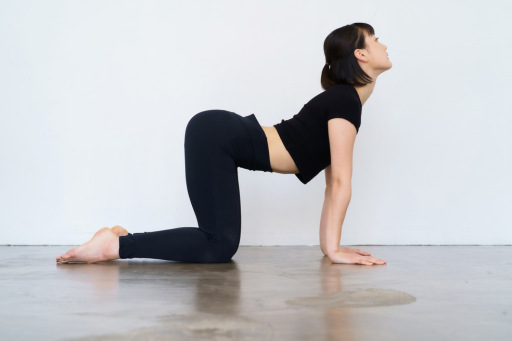
Cat-Cow Stretch
Begin on your hands and knees. Slowly arch your back upward like a cat, then gently lower your stomach toward the floor while lifting your head and chest.
This movement promotes spinal mobility and can help reduce stiffness throughout the back.
Child’s Pose
Kneel on the floor and sit back onto your heels while reaching your arms forward. Lower your chest toward the ground and hold the position comfortably.
Child’s Pose provides a gentle stretch for the lower back, hips, and surrounding muscles.
Why Does My Lower Back Keep Cracking?
Occasional lower back popping is common, but frequent cracking may indicate an underlying issue affecting movement or joint function.
Muscle Tightness
Tight muscles around the hips, lower back, and pelvis can alter movement patterns and increase stress on spinal joints, leading to repeated cracking sensations.
Poor Posture
Slouching while sitting or standing can place extra strain on the lower back and contribute to stiffness. As a result, people may feel compelled to crack their back more frequently.
Sedentary Lifestyle
Long periods of sitting can reduce mobility and cause joints to become stiff. Movement after prolonged inactivity often produces popping or cracking sounds.
Joint Hypermobility
Some individuals naturally have more flexible joints than others. Increased joint mobility can make cracking sounds more frequent, even when no pain is present.
Previous Injuries
Past injuries involving the lower back, pelvis, or surrounding structures may affect joint mechanics and increase the likelihood of recurrent popping.
When Lower Back Popping Could Be a Sign of a Problem
While most lower back popping is harmless, certain symptoms should not be ignored.
Persistent Pain
Pain that continues despite rest, stretching, or activity modification may indicate an underlying condition requiring treatment.
Loss of Mobility
Difficulty bending, twisting, or performing daily activities may suggest joint dysfunction or muscle restrictions.
Numbness or Tingling
Changes in sensation, especially in the legs or feet, can signal nerve involvement and should be evaluated promptly.
Weakness in the Legs
Muscle weakness may indicate nerve compression or another serious issue affecting spinal function.
Pain That Worsens Over Time
Progressively worsening symptoms should always be assessed by a healthcare professional to identify the underlying cause and prevent further complications.
Can Chiropractic Care Help Lower Back Stiffness?
Chiropractic care may help individuals experiencing ongoing lower back stiffness. Chiropractors assess spinal movement, posture, joint function, and mobility to identify areas of restriction that may be contributing to discomfort.
Potential benefits of chiropractic care for lower back stiffness may include:
Improved Movement
Restricted spinal joints can limit mobility and contribute to stiffness. Chiropractic adjustments may help restore normal joint motion and improve flexibility.
Reduced Stiffness
By addressing joint restrictions and improving movement patterns, chiropractic care may help reduce feelings of tightness in the lower back.
Better Posture
Poor posture is a common contributor to lower back discomfort. Chiropractors often provide posture education and ergonomic recommendations to support long-term spinal health.
Pain Management
Many individuals seek chiropractic care as part of a comprehensive approach to managing lower back pain and improving overall function.
While chiropractic treatment may be beneficial for some people, it is important to consult a qualified healthcare provider to determine whether it is appropriate for your specific condition.
Can Physiotherapy Help Prevent Lower Back Stiffness?
While popping your lower back may provide temporary relief, it does not address the underlying cause of stiffness. Physiotherapy focuses on identifying and treating the root causes of lower back discomfort to improve mobility, reduce pain, and prevent recurring issues.
Mobility Assessments
Physiotherapists assess how the spine, hips, pelvis, and surrounding muscles move to identify restrictions and movement dysfunctions.
Strengthening Programs
Targeted exercises strengthen the core and supporting muscles, helping reduce strain on the lower back.
Posture Correction
Improving sitting, standing, and lifting habits can help minimize stress on the spine and prevent stiffness.
Exercise Prescription
Customized exercise programs improve flexibility, mobility, strength, and overall movement quality.
At My Brampton Physio, personalized physiotherapy programs are designed to improve spinal mobility, reduce stiffness, and support long-term back health.
Tips for Maintaining a Healthy Lower Back
Preventing lower back stiffness often comes down to consistent movement habits and proper body mechanics. The following strategies can help keep your back healthy and mobile.
Regular Stretching
Stretching the hips, hamstrings, glutes, and lower back can help maintain flexibility and reduce muscle tightness that contributes to stiffness.
Exercise and Strengthening
Regular physical activity supports spinal health. Strengthening the core and lower body muscles helps stabilize the spine and reduce the risk of injury.
Proper Lifting Techniques
When lifting objects, bend at the knees rather than the waist. Keep the object close to your body and avoid twisting while carrying heavy loads.
Ergonomic Workstations
If you spend long hours sitting, ensure your workstation supports good posture. Proper chair height, monitor placement, and keyboard positioning can reduce strain on the lower back.
Staying Active Throughout the Day
Prolonged sitting is a common cause of stiffness. Taking short walking breaks, stretching regularly, and changing positions throughout the day can help keep joints and muscles moving properly.
Conclusion
If you’ve ever wondered how do you pop your lower back safely, it’s important to know that occasional lower back popping is often normal. Changes in joint pressure, natural spinal movement, and the release of gas within the joints can create harmless cracking sounds. Gentle stretches and mobility exercises may help reduce stiffness and improve comfort.
While occasional popping is usually not a concern, repeatedly cracking your back should not become a habit. Frequent stiffness or the constant need to pop your lower back may indicate muscle tightness, poor posture, limited mobility, or joint dysfunction.
If you experience ongoing pain, numbness, tingling, weakness, or reduced mobility, seek professional care. At My Brampton Physio, our team can identify the underlying cause of your symptoms and create a personalized treatment plan to support long-term back health.
About the Author
Taruna is a healthcare content writer at My Brampton Physio, specializing in evidence-based content on physiotherapy, chiropractic care, spinal health, rehabilitation, and musculoskeletal conditions. She works closely with experienced healthcare professionals to ensure every article is medically accurate, easy to understand, and aligned with current clinical best practices. Her goal is to help readers better understand back pain, injury prevention, and effective treatment options so they can make informed decisions about their health.
Frequently Asked Questions
Is it bad to crack your lower back every day?
Occasional back cracking is usually harmless, but forcing it daily may strain joints and ligaments and could signal an underlying mobility problem.
Why does my lower back crack when I twist?
Twisting changes pressure within spinal joints, releasing gas bubbles. Tendons and ligaments moving around joints may also create cracking sounds.
Can popping your lower back relieve pain?
Popping your lower back may temporarily reduce stiffness and tension, but it does not treat the underlying cause of discomfort.
What causes lower back stiffness?
Lower back stiffness may result from muscle tightness, poor posture, prolonged sitting, reduced activity levels, previous injuries, or joint dysfunction.
When should I worry about lower back cracking?
Seek professional evaluation if cracking is accompanied by pain, numbness, tingling, weakness, radiating symptoms, or worsening mobility issues.
Can a chiropractor help with lower back stiffness?
Chiropractors assess spinal mobility and may use adjustments, exercises, and posture advice to help reduce stiffness and improve movement.
Can physiotherapy improve lower back mobility?
Yes. Physiotherapy uses targeted exercises, stretching, strengthening, and movement training to improve flexibility, mobility, and overall spinal function.
Why does my lower back crack but not hurt?
Painless cracking is often caused by normal joint movement or gas release within the joints and is generally considered harmless.
What stretches can help loosen a stiff lower back?
Helpful stretches include Cat-Cow, Child’s Pose, knee-to-chest stretches, seated spinal twists, and supine spinal rotations to improve mobility.