

Many people assume that balance problems always involve dizziness or a spinning sensation. However, it’s possible to feel unsteady, wobbly, or unstable without experiencing true dizziness or vertigo. If you’ve been wondering, “Why do I feel off balance but not dizzy?”, you’re not alone.
Balance is a complex function that relies on multiple systems working together, including the inner ear (vestibular system), vision, muscles, joints, and nervous system. When any of these systems are not functioning properly, you may experience balance difficulties even without feeling dizzy.
Fortunately, identifying the underlying cause is the first step toward effective treatment. In many cases, vestibular physiotherapy in Brampton can help improve balance, stability, and confidence during everyday activities.
What Does Feeling Off Balance Mean?
Feeling off balance is different from feeling dizzy. Dizziness often involves sensations such as spinning, lightheadedness, or faintness. In contrast, imbalance refers to difficulty maintaining stability while standing, walking, or changing positions.
People experiencing feeling off balance but not dizzy may notice:
- Feeling unsteady while standing or walking
- A sensation of veering to one side
- Difficulty walking on uneven surfaces
- Trouble maintaining posture
- Feeling unstable during daily activities
These symptoms can range from mild to severe and may interfere with work, exercise, and everyday routines.

Why Do I Feel Off Balance But Not Dizzy?
There are several potential causes of balance problems that do not involve dizziness. Understanding the source of your symptoms can help guide appropriate treatment and management.
Inner Ear (Vestibular) Disorders
The vestibular system in the inner ear plays a critical role in balance and spatial awareness. Certain vestibular conditions can affect balance without causing vertigo.
Examples include:
- Vestibular hypofunction
- Age-related vestibular decline
- Recovery from vestibular neuritis
In these situations, the brain may receive incomplete balance information from the inner ear, leading to feelings of instability and unsteadiness rather than spinning sensations. Common vestibular disorder symptoms may include imbalance, difficulty walking in busy environments, and increased instability in low-light conditions.
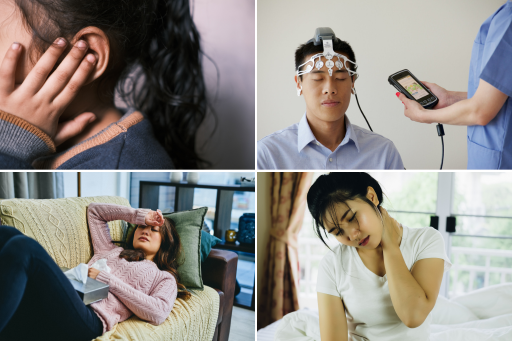
Neck Problems (Cervicogenic Dizziness)
Many people are surprised to learn that neck and balance problems are often connected.
Poor posture, muscle tension, and neck injuries can interfere with the sensory information sent from the neck to the brain. Since the brain uses this information to help maintain balance and orientation, dysfunction in the neck can contribute to feelings of unsteadiness.
Common contributing factors include:
- Forward head posture
- Chronic neck tension
- Whiplash injuries
- Reduced neck mobility
Muscle Weakness and Deconditioning
Balance depends heavily on strength and coordination. Weakness in the legs and core muscles can reduce stability and increase the risk of feeling unsteady on your feet.
Contributing factors may include:
- Aging-related muscle loss
- Prolonged inactivity
- Recovery from injury or illness
- Reduced physical conditioning
Many people notice increased balance difficulties after extended periods of reduced activity.
Vision Problems
Vision provides important information about your surroundings and helps your body maintain balance.
Changes in eyesight can contribute to:
- Poor depth perception
- Difficulty focusing
- Reduced visual awareness
- Increased instability while walking
Even mild vision changes may significantly affect balance, particularly in older adults.
Neurological Conditions
Certain neurological conditions can interfere with the body’s ability to coordinate movement and maintain stability.
Potential causes include:
- Peripheral neuropathy
- Parkinson’s disease
- Multiple sclerosis
- Stroke-related balance impairments
These conditions often affect communication between the brain, nerves, muscles, and sensory systems involved in balance control.
Medication Side Effects
Some medications can contribute to feeling unsteady on the feet without causing dizziness.
Examples include:
- Blood pressure medications
- Sedatives
- Certain antidepressants
- Anti-anxiety medications
If you suspect medication may be contributing to your symptoms, consult your healthcare provider before making any changes.
Anxiety and Stress
Anxiety can affect balance in several ways. Increased muscle tension, heightened body awareness, and changes in breathing patterns may contribute to feelings of instability.
Individuals experiencing anxiety may notice:
- Feeling detached from their surroundings
- Increased body tension
- Difficulty concentrating while walking
- Episodes of unsteadiness during stressful situations
While anxiety may not directly cause a balance disorder, it can significantly worsen existing symptoms.
Red Flags That May Indicate a Serious Balance Problem
Some balance issues may require prompt medical attention. Watch for the following warning signs:
Frequent Stumbling or Falling
Repeated falls or near-falls can increase the risk of injury and may indicate an underlying balance disorder that requires assessment.
Difficulty Walking in Crowded Areas
Struggling to maintain stability in busy environments may suggest vestibular or neurological involvement.
Trouble Navigating Stairs
Difficulty with stairs may indicate impaired balance control, lower body weakness, or sensory deficits.
Feeling Unsteady in the Dark
Many vestibular conditions become more noticeable when visual input is reduced. Increased instability in dim lighting should not be ignored.
Symptoms That Are Getting Worse
Balance problems that progressively worsen over time should always be evaluated by a healthcare professional.
How Balance Problems Are Diagnosed?
A comprehensive assessment helps determine the underlying cause of balance difficulties.
Medical History Review
Your healthcare provider will discuss symptoms, medical conditions, medications, and previous injuries that may contribute to balance problems.
Physical Examination
A physical examination may evaluate posture, strength, coordination, flexibility, and neurological function.
Vestibular Assessment
Vestibular testing helps identify dysfunction within the inner ear balance system and determine whether vestibular rehabilitation may be beneficial.
Balance and Gait Testing
Specialized tests assess walking patterns, standing balance, and movement coordination.
Additional Imaging or Neurological Evaluation
In some cases, imaging studies or neurological assessments may be recommended to rule out more serious conditions.
How Vestibular Physiotherapy Can Help Balance Issues
Vestibular rehabilitation is a specialized form of physiotherapy designed to address balance disorders and improve stability.
Balance Retraining Exercises
Targeted exercises help improve the body’s ability to maintain balance during standing and walking activities.
Gaze Stabilization Exercises
These exercises improve coordination between the eyes and vestibular system, helping reduce instability during movement.
Walking and Coordination Training
Structured walking programs help improve confidence, mobility, and overall balance control.
Fall Prevention Strategies
Physiotherapists provide education and practical strategies to reduce fall risk at home and in the community.
Postural Correction Techniques
Improving posture can reduce strain on the neck and improve communication between the body’s sensory systems involved in balance.
Tips to Improve Balance at Home
While professional treatment may be necessary, several lifestyle changes can support better balance.
Stay Physically Active
Regular movement helps maintain strength, flexibility, and coordination.
Improve Posture
Maintaining proper posture can reduce stress on the neck and improve balance awareness.
Wear Supportive Footwear
Proper footwear provides stability and helps reduce the risk of falls.
Maintain Good Lighting
Well-lit environments help compensate for balance deficits and improve safety.
Perform Balance Exercises Safely
Simple exercises such as standing on one leg or walking heel-to-toe may help improve stability when performed safely.
Conclusion
If you’ve been asking yourself, “Why do I feel off balance but not dizzy?”, there are many possible explanations. Balance problems can stem from vestibular disorders, neck dysfunction, muscle weakness, vision changes, neurological conditions, medications, or anxiety.
Because balance relies on several body systems working together, a proper assessment is essential for identifying the root cause of your symptoms. With the right diagnosis and treatment plan, many people experience significant improvements in stability and confidence.
If you’re experiencing persistent balance problems, the team at My Brampton Physio can help. Our experienced clinicians provide comprehensive assessments and personalized balance issues treatment, including vestibular physiotherapy in Brampton, to help you move safely and confidently.
About the Author
Taruna Garg is a healthcare content writer at My Brampton Physio, specializing in creating evidence-based content on physiotherapy, vestibular rehabilitation, massage therapy, chiropractic care, and musculoskeletal health. She works closely with experienced healthcare professionals to ensure every article is accurate, easy to understand, and aligned with current clinical best practices. Her goal is to educate readers about balance disorders, injury prevention, pain management, and effective rehabilitation to help them make informed healthcare decisions.
Frequently Asked Questions
Can neck problems cause balance issues without dizziness?
Yes. Neck injuries, poor posture, and muscle tension can disrupt balance signals sent to the brain, causing unsteadiness without dizziness.
Is feeling off balance a sign of a vestibular disorder?
Yes. Vestibular disorders can affect the inner ear’s balance system, leading to unsteadiness, instability, and walking difficulties without vertigo.
Can anxiety make you feel unsteady?
Yes. Anxiety can increase muscle tension and alter body awareness, creating sensations of instability, imbalance, or feeling unsteady while walking.
When should I worry about balance problems?
Seek medical attention if balance issues are persistent, worsening, causing falls, affecting daily activities, or accompanied by other neurological symptoms.
How is a balance disorder diagnosed?
A balance disorder is typically diagnosed through medical history, physical examination, vestibular testing, gait analysis, and sometimes imaging studies.
Can vestibular physiotherapy help balance issues?
Yes. Vestibular physiotherapy uses specialized exercises to improve balance, coordination, stability, and confidence while reducing the risk of falls.
What exercises improve balance?
Balance retraining exercises, strength training, coordination drills, and walking exercises can help improve stability and overall functional mobility.
Why do I feel more off balance in the dark?
In low-light environments, your body relies more on vestibular and sensory systems, making underlying balance problems more noticeable.
Can balance problems go away on their own?
Some temporary balance issues may resolve naturally, but persistent or recurring symptoms should be assessed by a healthcare professional.