
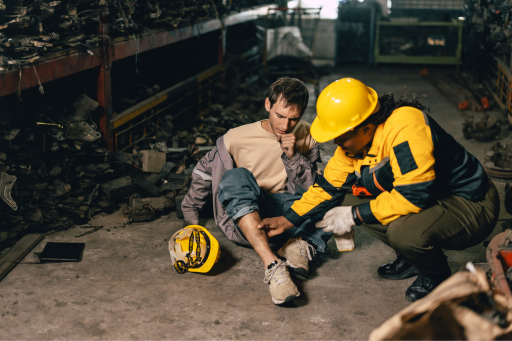
The Workplace Safety and Insurance Board (WSIB) in Ontario is a government agency that provides financial support and healthcare benefits to workers who are injured or become ill due to their job. It plays a critical role in ensuring employees receive proper care and compensation after workplace incidents.
However, not all injuries are treated equally under WSIB. Coverage depends on how the injury occurred, medical evidence, and whether it is work-related. Understanding what injuries are covered under WSIB Ontario helps you access the right support without delays. If you’ve been injured at work, seeking professional WSIB physiotherapy care early can significantly improve your recovery.
Understanding WSIB Coverage in Ontario
WSIB is designed to protect workers and employers by providing no-fault insurance coverage for workplace injuries and illnesses. Most employees in Ontario—especially those in construction, healthcare, manufacturing, and other high-risk industries—are covered.
Benefits include:
- Healthcare coverage: Medical treatment, physiotherapy, and rehabilitation services
- Wage loss benefits: Compensation for lost income during recovery
- Rehabilitation support: Programs to help workers return to work safely

Complete List of Injuries Covered Under WSIB
Acute Workplace Injuries
These injuries occur suddenly due to accidents at work.
- Slips, trips, and falls: Common in workplaces with wet floors or uneven surfaces
- Machinery accidents: Injuries caused by equipment malfunction or misuse
- Cuts, burns, fractures: Often seen in industrial or manual labor jobs
Repetitive Motion Injuries
These develop over time due to repeated movements.
- Carpal tunnel syndrome: Common among office workers and assembly line employees
- Tendonitis: Caused by repetitive strain on tendons
- Overuse injuries: Result from prolonged physical activity without adequate rest
Back and Neck Injuries
These are among the most reported workplace injuries.
- Herniated discs: Often caused by heavy lifting
- Muscle strain: Due to improper posture or sudden movements
- Whiplash: Common in work-related vehicle accidents
Occupational Illnesses
These occur due to long-term exposure to harmful conditions.
- Lung diseases: From dust, fumes, or chemical exposure
- Skin disorders: Caused by contact with irritants
- Hearing damage: Due to prolonged exposure to loud noise
Psychological & Mental Health Injuries
WSIB also recognizes mental health conditions related to work.
- PTSD: From traumatic workplace events
- Chronic stress or anxiety: Linked to job demands or environment
- Harassment-related conditions: Resulting from workplace bullying or harassment
Are Pre-Existing Conditions Covered by WSIB?
Yes, pre-existing conditions may be covered if your job significantly worsens them. For example, if you already have mild back pain and your work duties aggravate it, WSIB may provide coverage.
Medical documentation is crucial in these cases.
- Eligible example: A prior injury worsened due to repetitive lifting at work
- Non-eligible example: A condition unrelated to job duties with no evidence of aggravation
What Injuries Are NOT Covered by WSIB?
WSIB does not cover every type of injury. Common exclusions include:
- Injuries that occur outside of work duties
- Self-inflicted injuries
- Injuries involving intoxication (evaluated case by case)
- Claims lacking medical evidence or reported too late
How to Report a Workplace Injury in Ontario
Filing your WSIB claim correctly ensures faster approval and treatment.
- Inform your employer immediately after the injury
- Seek medical care from a qualified healthcare provider
- Submit WSIB forms (Form 6 for workers)
- Follow your treatment plan for recovery and documentation
Role of Physiotherapy in WSIB Recovery
Physiotherapy plays a vital role in helping injured workers recover safely and effectively.
- Pain relief and healing: Techniques reduce inflammation and promote tissue repair
- Restoring mobility and function: Exercises improve strength and flexibility
- Preventing long-term disability: Early rehab reduces complications
- Safe return to work: Gradual recovery plans help avoid re-injury
Choosing the Right Clinic for WSIB Treatment
Selecting the right physiotherapy clinic can impact your recovery outcome.
- Experience in treating workplace injuries
- Customized rehabilitation programs
- Direct billing options for WSIB claims
- Convenient location and accessibility
When Should You Start Treatment After a Workplace Injury?
Early intervention is key to a successful recovery. Delaying treatment can worsen your condition and prolong healing time.
Starting physiotherapy as soon as possible helps reduce pain, restore movement, and improve overall outcomes. Prompt care also strengthens your WSIB claim with proper medical documentation.
Conclusion
Understanding what injuries are covered under WSIB Ontario helps you take the right steps after a workplace injury. From acute injuries to chronic conditions and mental health issues, WSIB provides essential support for eligible cases.
If you’ve been injured at work, don’t wait. Consult the experts at My Brampton Physio for personalized treatment and guidance through your recovery process. Early care can make all the difference in getting you back to work safely.
Frequently Asked Questions
What types of injuries are most commonly covered by WSIB?
WSIB commonly covers injuries like slips and falls, repetitive strain injuries, back and neck pain, fractures, and stress-related conditions caused by workplace activities.
Does WSIB cover stress or mental health issues?
Yes, WSIB may cover mental health conditions such as PTSD, anxiety, or chronic stress when they are directly linked to workplace incidents or ongoing work-related factors.
Can I receive physiotherapy under WSIB?
Yes, physiotherapy is covered under WSIB as part of rehabilitation, helping injured workers reduce pain, restore mobility, and safely return to work after a workplace injury.
How long do I have to report a workplace injury?
You should report your workplace injury to your employer as soon as possible, ideally within 7 days, to avoid delays or complications in your WSIB claim process.
Do I need a doctor’s referral for WSIB physiotherapy?
Typically, a medical assessment from a doctor or healthcare provider is required to start WSIB-covered physiotherapy and ensure proper documentation for your injury and treatment plan.