
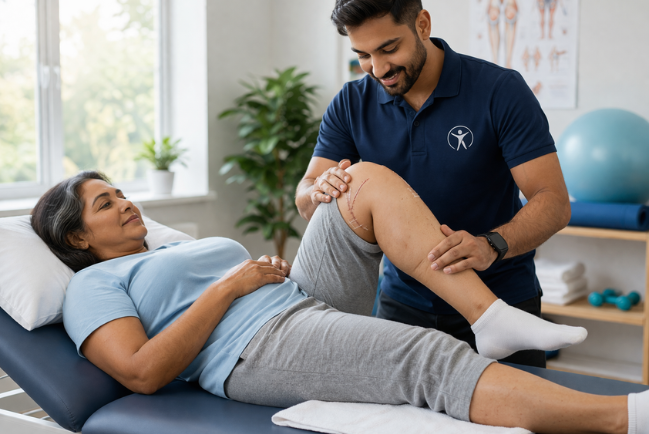
Knee surgery can significantly improve mobility and quality of life, but it also comes with certain risks -one of the most serious being blood clots after knee surgery. These clots, often forming in the legs, can cause pain, swelling, and complications if left untreated.
The good news? With proper care and physiotherapy after knee surgery, the risk can be greatly reduced. In this guide, you’ll learn about causes, warning signs, prevention strategies, and the important role physiotherapy plays in safe recovery.
What Are Blood Clots After Knee Surgery?
Blood clots that form after surgery are commonly known as deep vein thrombosis (DVT). This condition occurs when a clot develops in a deep vein, usually in the legs.
After knee procedures, reduced movement and surgical changes can slow blood flow, increasing the risk of clot formation. In some cases, a clot can travel to the lungs, causing a serious condition called pulmonary embolism (PE).
Why Do Blood Clots Happen After Knee Surgery?
Several factors contribute to the risk of DVT after knee replacement or other knee procedures:
Reduced Mobility
After surgery, patients often spend extended time resting, which slows circulation and increases clot risk.
Surgical Trauma to Blood Vessels
The procedure itself can cause minor damage to blood vessels, making clot formation more likely.
Slower Circulation
Swelling and limited movement can reduce blood flow in the legs, allowing clots to develop more easily.
Common Symptoms of Blood Clots (DVT) & Who Is at Higher Risk?
Recognizing the signs of blood clots after surgery is crucial for early intervention.
Common Symptoms:
- Swelling in one leg (especially around the calf or knee)
- Pain or tenderness that may feel like cramping
- Redness or warmth in the affected area
- Shortness of breath (a warning sign of pulmonary embolism – seek urgent care)
Higher Risk Individuals:
- Older adults
- People with obesity
- Smokers
- Those with a history of blood clots
- Patients on prolonged bed rest
How to Prevent Blood Clots After Knee Surgery

Preventing blood clots after knee surgery is a key part of recovery. A combination of medical care and lifestyle adjustments can significantly lower risk.
Early Movement
Getting up and moving as soon as possible helps improve circulation and reduces clot formation.
Compression Stockings
These help maintain proper blood flow in the legs and reduce swelling.
Hydration
Drinking enough water prevents blood from thickening and supports circulation.
Medication
Doctors may prescribe blood thinners to reduce clot risk, especially in high-risk patients.
Role of Physiotherapy in Preventing Blood Clots
Physiotherapy after knee surgery plays a vital role in both recovery and clot prevention.
- Early mobilization improves blood circulation
- Guided exercises reduce stiffness and clot risk
- Strengthening and range-of-motion exercises support safe healing
A structured physiotherapy plan ensures that patients stay active without risking injury.
Best Physiotherapy Exercises to Prevent Blood Clots
Targeted movements can help prevent deep vein thrombosis after knee surgery while supporting recovery.
Ankle Pumps
Moving your feet up and down improves circulation in the lower legs.
Leg Raises
Gentle leg lifts activate muscles and promote blood flow.
Knee Bends
Controlled bending helps restore mobility and reduce stiffness.
Walking Progression
Gradually increasing walking distance improves circulation and builds strength safely.
Recovery Timeline, When to Start Physio & Expert Care in Brampton
Managing blood clots after knee surgery requires a structured recovery plan with early movement and professional guidance.
Week 1
Focus on gentle movement, basic exercises, and short walks to improve circulation and reduce DVT risk.
Weeks 2–6
Gradually increase your activity levels with guided knee physiotherapy, focusing on strengthening exercises and improving joint mobility for a safe and effective recovery.
3 Months and Beyond
Return to normal activities with improved strength, flexibility, and reduced risk of complications.
Each phase is important because consistent movement helps prevent DVT after knee replacement, improves healing, and restores function effectively.
Conclusion
Blood clots after knee surgery can be serious, but they are largely preventable with the right approach. Understanding the symptoms, staying active, and following a guided recovery plan are key.
Physiotherapy plays a crucial role in improving circulation, restoring mobility, and reducing clot risk. If you’re recovering from knee surgery, expert care can make all the difference.
At My Brampton Physio, our experienced team provides personalized rehabilitation programs to support safe and effective recovery. Book your physiotherapy session today and take the first step toward better movement and health.
Frequently Asked Questions
How common are blood clots after knee surgery?
Blood clots are a known risk after knee surgery, especially in the first few weeks, but proper prevention methods can significantly reduce the chances.
Can physiotherapy prevent DVT?
Yes, physiotherapy helps improve circulation, encourages movement, and reduces the risk of deep vein thrombosis after knee surgery.
How soon should I start moving after surgery?
Most patients are encouraged to start gentle movements within 24–48 hours after surgery, depending on their condition.
What exercises improve blood circulation after knee surgery?
Exercises like ankle pumps, leg raises, knee bends, and gradual walking are effective in improving circulation.
When should I worry about swelling after surgery?
If swelling is severe, persistent, or accompanied by pain, redness, or warmth, consult a healthcare professional immediately as it may indicate a blood clot.