
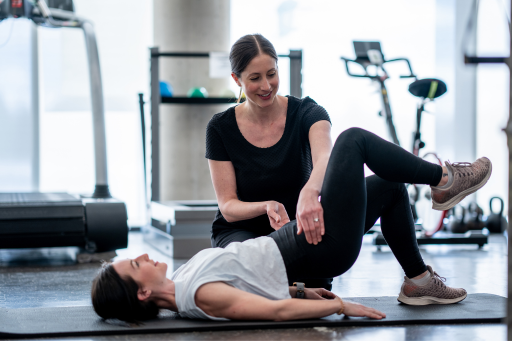
Pelvic floor physiotherapy is a specialized type of physical therapy that focuses on improving the function of the pelvic floor muscles. These muscles support your bladder, bowel, and reproductive organs and play a key role in core strength, posture, and everyday movements.
When pelvic floor muscles are not functioning properly, it can significantly impact daily life, causing discomfort, pain, leakage, or reduced confidence. Pelvic floor physical therapy helps restore balance so you can move, exercise, and live comfortably again.
What Is Pelvic Floor Physiotherapy?
Pelvic floor physiotherapy is designed to help the pelvic floor muscles work the way they should. A trained pelvic floor physiotherapist uses targeted techniques to improve muscle strength, coordination, and relaxation.
Many people assume pelvic floor problems are only caused by weak muscles, but that’s not always true. Pelvic floor dysfunction can occur when muscles are:
- Too weak
- Too tight
- Poorly coordinated
Pelvic floor therapy treatment is personalized, meaning your care plan is based on your symptoms, goals, and lifestyle. No two treatment plans are the same.
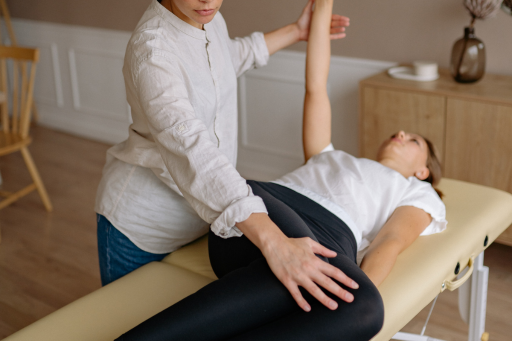
What Are the Pelvic Floor Muscles?
The pelvic floor muscles are a group of muscles located at the bottom of the pelvis. They stretch from the pubic bone at the front to the tailbone at the back, forming a supportive “hammock” for your pelvic organs.
Key functions of the pelvic floor muscles include:
- Bladder and bowel control – helping prevent leaks and urgency
- Core stability – supporting your spine and improving posture
- Support of pelvic organs – keeping organs properly positioned
- Sexual function – contributing to comfort, sensation, and control
When these muscles are not functioning correctly, pelvic floor dysfunction may develop.

Conditions Pelvic Floor Physiotherapy Can Help With
Pelvic floor physiotherapy can help manage and treat a wide range of conditions related to pelvic floor dysfunction. Many of these issues are common but not normal—and they are highly treatable with pelvic floor physical therapy.
Conditions that pelvic floor therapy treatment can help with include:
- Urinary or bowel incontinence (leakage during coughing, sneezing, or exercise)
- Pelvic pain or discomfort
- Painful intercourse
- Pregnancy and postpartum recovery
- Pelvic organ prolapse (a feeling of pressure or heaviness)
- Post-surgical recovery, including prostate or gynecological surgery
- Core weakness or lower back pain
Early treatment often leads to faster and better recovery outcomes.
Signs You May Need Pelvic Floor Physiotherapy
Pelvic floor problems are often ignored or assumed to be a normal part of aging or childbirth. However, these symptoms are signs that pelvic floor physiotherapy may help.
You may benefit from pelvic floor physical therapy if you experience:
- Leaking urine when coughing, laughing, or exercising
- Pelvic heaviness, pressure, or a bulging sensation
- Ongoing pain in the pelvis, hips, or lower back
- Difficulty relaxing or tightening pelvic floor muscles
- Poor core strength or reduced stability
Addressing these signs early can prevent symptoms from worsening over time.
What Happens During Pelvic Floor Physiotherapy?
Pelvic floor physiotherapy is done in a private, respectful, and comfortable environment. Your physiotherapist will explain each step clearly and proceed only with your consent.
1. Initial Assessment
Your appointment begins with a discussion of your health history, symptoms, and daily activities, followed by a movement assessment.
2. Pelvic Floor Muscle Evaluation
An external and/or internal assessment may be used to check muscle strength, control, and tension. This is gentle, optional, and always explained beforehand.
3. Personalized Treatment Plan
Based on your assessment, your physiotherapist will create a customized pelvic floor therapy treatment plan.
4. Treatment Techniques
Treatment may include:
- Pelvic floor and core exercises
- Manual therapy
- Breathing and relaxation techniques
- Posture and movement education
5. Home Exercise Guidance
You’ll receive easy-to-follow exercises to support your progress between sessions.
Pelvic Floor Exercises You May Learn in Physiotherapy
Pelvic floor physiotherapy often includes guided exercises to help improve the strength, coordination, and relaxation of the pelvic floor muscles. These exercises are carefully selected by a pelvic floor physiotherapist based on your specific condition, symptoms, and goals. Not everyone needs the same exercises—some people need strengthening, while others need relaxation and control.
Below are some common pelvic floor exercises that may be included as part of your pelvic floor therapy treatment.
Common Pelvic Floor Exercises
- Kegel Exercises
- Focus on gently contracting and relaxing the pelvic floor muscles
- Help improve bladder and bowel control
- Performed with proper guidance to avoid over-tightening
- Diaphragmatic (Deep) Breathing
- Encourages proper coordination between breathing and pelvic floor muscles
- Helps relax tight pelvic floor muscles
- Supports overall muscle control and stress reduction
- Pelvic Tilts
- Strengthen the pelvic floor and deep core muscles
- Improve pelvic alignment and posture
- Often used for people with lower back pain or core weakness
- Bridge Exercise
- Activates pelvic floor, glutes, and core muscles together
- Improves pelvic stability and strength
- Commonly used during postpartum or post-surgical recovery
- Squats
- Functional exercise that engages the pelvic floor during everyday movements
- Helps improve coordination between hips, legs, and pelvic floor muscles
- Modified based on individual ability and comfort
- Heel Slides or Marching Exercises
- Strengthen pelvic floor and deep abdominal muscles
- Improve core control and movement coordination
- Performed slowly to maintain proper muscle engagement
- Bird Dog Exercise
- Improves balance, core stability, and pelvic floor control
- Helps support spinal and pelvic stability
- Often used for individuals with back pain or weakness
Benefits of Pelvic Floor Physiotherapy
There are many proven pelvic floor physiotherapy benefits, both physical and emotional.
Key benefits include:
- Improved bladder and bowel control
- Reduced pelvic pain and discomfort
- Better core strength and posture
- Increased confidence and daily comfort
- Enhanced sexual function
- Faster recovery after childbirth or surgery
With proper care, many patients see long-term improvements in their quality of life with pelvic floor physiotherapy.
Is Pelvic Floor Physiotherapy Right for You?
Pelvic floor physiotherapy is suitable for all genders and all ages. It’s not just for postpartum women—men, athletes, and individuals recovering from surgery can also benefit.
At My Brampton Physio, we focus on:
- Patient comfort and privacy
- Clear communication and consent
- A supportive and judgment-free experience
If you feel nervous or unsure, know that pelvic floor physiotherapists at My Brampton Physio are specially trained to make you feel at ease.
Conclusion
Understanding what is pelvic floor physiotherapy is an important first step toward improving pelvic health and overall well-being. Pelvic floor physiotherapy is a safe, effective, and personalized treatment approach that helps manage pelvic floor dysfunction, reduce pain, improve bladder and bowel control, and restore core strength and confidence. With the right care, pelvic floor physical therapy can make daily activities more comfortable and improve your quality of life.
If you’re experiencing symptoms such as leakage, pelvic discomfort, or core weakness, you don’t have to manage them alone. At My Brampton Physio, our experienced pelvic floor physiotherapists provide compassionate, one-on-one care in a private and supportive environment.
You can book your pelvic floor physiotherapy consultation at My Brampton Physio today and take the first step toward better pelvic health in Brampton.